
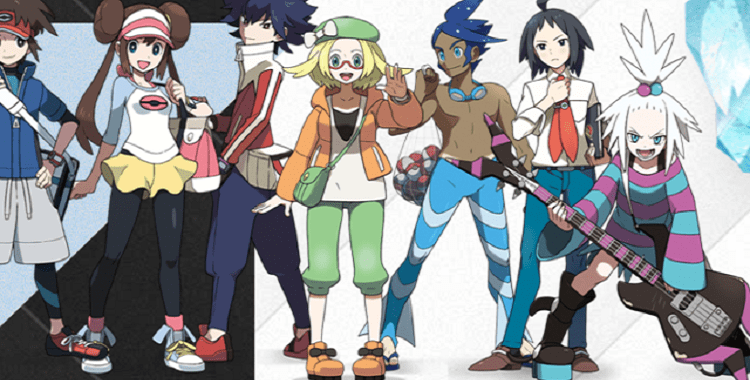
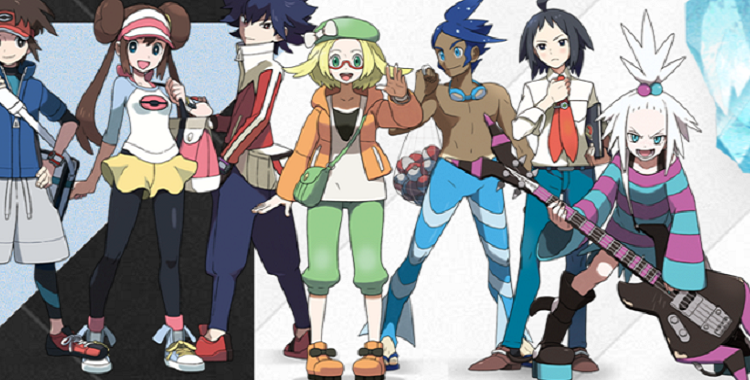
You’re a precocious kid who just turned the right age to start a Pokemon journey, so you grab a fire/water/grass starter, collect eight gym badges, stop an evil organization, and become the revered champion of the region.
Sounds familiar, right?
We’re 16 years removed from the original Pokemon games, and not much has changed. Some people have soured on the series for its lack of innovation, wondering when GameFreak and company will try something new. Wouldn’t it be great if there were a Pokemon MMORPG out there, where you could battle with all your friends in an expansive world? What about a 3D adventure on an HD console, where all 64 creatures could look snazzy and cool?
I’m not saying those things wouldn’t be neat. But Pokemon is what it is: a wildly successful franchise that fans continue to support hand over fist. It’s foolish to expect a change from the developers when they can continue to make a ton of money by playing it safe and making small adjustments to the core formula. Wishing is one thing, but expecting is another.
Why all the proselytizing? Because Pokemon Black 2 is the best and most recent extension of the franchise. It’s both the amalgamation of each of the series’ previous entries and an improvement on all of them. It would be a mistake to punish B/W 2 simply because it isn’t a different game.
THE GOOD
The depth. Despite being the same eight-badge/evil-team formula we’ve seen before, there’s a ton to do in this game. Maybe you spend your time building up an empire on Join Avenue (and unlocking a ton of hard-to-get items and ways to modify your Pokemon’s stats in the process). Maybe you take on all comers in the World Tournament, where gym leaders from all the previous regions collide in just about every format you can imagine. Maybe you seek out all the hidden grottoes and track down each wild Pokemon in a given area (with a handy new checklist to help you keep track). Or maybe you become a movie star and destroy every script that gets handed to you. The core experience of the game will give you about 30 hours or so; the side stuff can add another 50-60 depending on how much of it you want to dive into.
The battles. Pokemon is still about battling at its core, and we’ve come a long way on the DS games since Diamond/Pearl. Battles are crisp and quick, with the perfect balance between cool-looking attacks and fast animations. With all the support for battling and training (see above), this is basically the definitive version of Pokemon for those who get serious about competitive play.
The consistency. If nothing else, GameFreak is aware that the series has been consistent — or stagnant, if you’re less of a fan — since day one. Team Plasma characters talk about the events of the first Black/White; other NPCs bring up references to earlier games that are both clever and well-timed; and your champion from the first game will be brought up by name if you still have that previous save file. With consistency comes minor improvements on the system, like a smoother menu system and impeccable timing on key items like the Bicycle and the Running Shoes. The best example I have of how fine-tuned everything has become? I used a Max Repel in a dungeon to avoid enemies for a while, and when I ran out of steps, the game asked if I wanted to use another. For the first time in 16 years, I don’t have to go back into the menus! I’m probably more excited about this than I should be.
THE BAD
The consistency. Almost all of the series’ familiarities are a good thing, but a few annoyances still remain. One example (MINOR SPOILER) is the return of a pain-in-the-ass move from Ruby and Sapphire: your rival attacking you at the very end of Victory Road. The other problem with B/W 2 starts when you leave the first few towns and head back to places you went to in the first game. In a way, it’s nice to see some of the changes in the areas, but it’s also a little bit boring because the changes aren’t that significant. Heading back to Kanto in Gold/Silver had a certain charm to it; I’m not so sure that’s true here.
The timing. Another series staple is the interference of a team of grown-ups who can’t seem to stop a 10-year-old. It’s enjoyable every time. Here’s the problem, though: the longer the franchise continues, the more epic these encounters get. Team Rocket wanted to take over some Pokemon and captured a radio tower along the way. Team Magma and Aqua threatened the ecosystem with drastic weather changes. Team Galactic said screw that, let’s change time and space! And Team Plasma goes a step further by essentially trying to get rid of humans. The increasing scope is cool, but it has one major flaw: it makes the gym battles an afterthought. In D/P, you saved the world…and then went to get the 8th gym badge. In B/W 2, you’re in the middle of saving the world when you get to the town with the 8th gym in it…and the game literally says to you, “hey, get this badge real quick so we can finish chasing the bad guys!” It’s extremely jarring, it barely makes any sense (just get the badge later!) and I don’t know how to fix it.
THE BOTTOM LINE
Even a fan of the series like myself has beefs with Pokemon at this point, but I still enjoy the games for what they are: a surprisingly deep RPG series. The positives outweigh the negatives for me, which is why I continue to go back for more. Others may find the formula stale and uninteresting by this point, and that’s their prerogative — Black 2 isn’t going to change their minds. But if you’ve enjoyed the series before, B2 is an extension of the solid gameplay mechanics and lighthearted story you liked before. The game is certainly worth picking up if that’s the case.
Rating: 4 out of 5 stars



 Gray Areas