
As Tales of Xillia 2 approaches its release date in the middle of next month (yay!), I’ve been reading a few reviews while trying to keep my spoilers to a minimum.
Some praised the game for introducing new characters into the mix and having them mingle with the first game’s cast, while creating a different spin on some locations and cities that were featured in the original Xillia. Others criticized the sequel for re-using the same environments and showcasing the same battle system as before with few tweaks.
To me, sequels are stuck in a no-win situation. They have to balance bringing back familiar elements that fans expect with introducing enough new concepts to justify another $60 purchase. Stray too far from that balance and you get lambasted for playing it too close to the chest (like Madden and its yearly “roster updates”) or having nothing to do with a series’ core existence (like Dead Space 3 and its abandonment of the survival horror genre).
Now, it’s important to note up front that I don’t lend too much credence to review outlets or their scores. For example, IGN recently praised Guardians of the Galaxy in almost every way imaginable, with no negatives and only positives in its summary at the end…and give it a 9.2. So I don’t take issue with these reviews seeing two sides of the same coin for Xillia 2.
In fact, I don’t really know where I stand on the issue. I usually have some kind of opinion in mind when I write overarching articles like this. But this time? Not so much. There are certain things I expect when I play the next entry in a series. Link needs to have a sword and should probably run into Zelda at some point, you know? But at what point does the comfort and stability of a series staple turn into too much of the same thing?
Consider…
— Super Mario Bros. 2 was a rush job to capitalize on the original game’s enormous success. Rather than creating a world similar to the first title, Nintendo swapped out a bunch of assets from another game, Doki Doki Panic, and tossed in Mario and friends as an afterthought. Some of these characters, like Birdo and Shy Guy, later became series staples, but fans at the time were rightfully disappointed. Japan’s SMB2 – known here as The Lost Levels – looked and played almost identical to the original and just ramped up the difficulty, but it would have been a much better choice.
— Duke Nukem Forever slogged through 15 years of development, and while it features some elements that fans wanted throughout that span (like Duke’s humor), the game felt dated in almost every way by the time it released. Some found it to be offensive; others thought the game was simply clunky and outdated. But was that because DNF had really changed from its predecessors, or because players had changed since the earlier games?
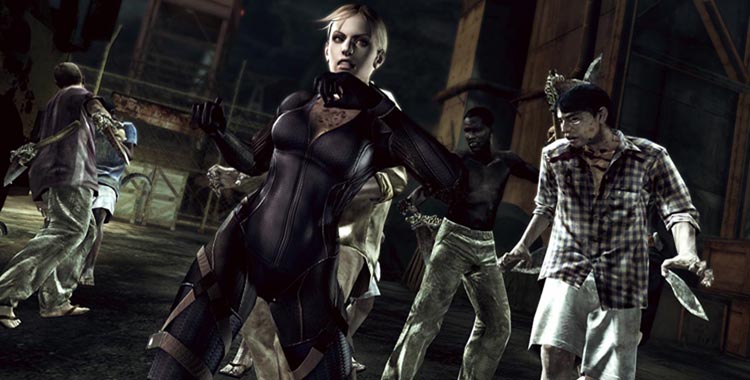
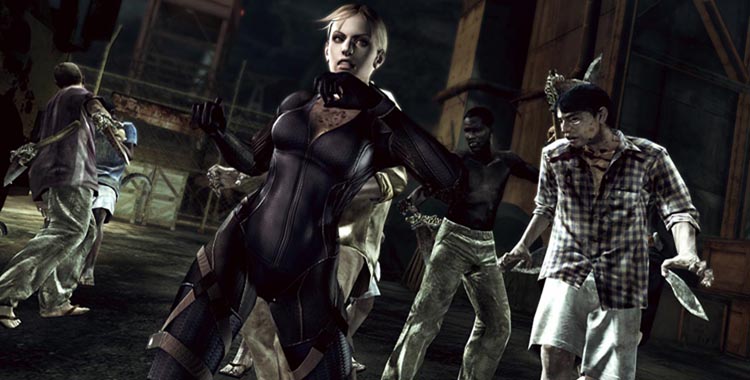
— Resident Evil became famous for its scary environments and resource-starved gameplay. Some feel that RE4 is one of the best games of all-time. So when 5 and 6 started gravitating toward action instead of survival horror, many fans were disappointed and appalled. Others hated the changes made to one of the series’ mainstays, Jill Valentine, both in look and in character development.
— Call of Duty has long been an industry punch line for putting out annual releases with miniscule differences. But considering the first-person shooter as a whole, how much can we really expect them to change year to year?
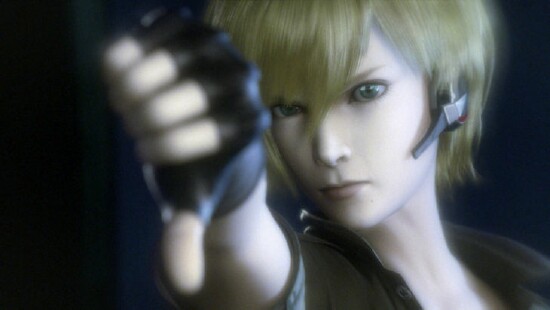
— Metroid: Other M. My thoughts on this are summed up by a picture:
So in short, I don’t know. Like a lot of things we talk about on our podcast, the perfect balance is somewhere in between the extremes. You need enough returning elements to please long-time fans while still throwing some breaths of fresh air into the experience to keep them coming back for more.
Hell, there are even examples of games that have strived to do both. Take Wind Waker: Similar gameplay, entirely new world and graphics, critically loved as time has passed – but at the time, a lot of people complained that it wasn’t the realistic, hardcore Zelda look they expected. Maybe there’s just no winning.
What do you think? What games have found the right balance, and what series have struggled?

 Gray Areas